"Birds" Nature's Superheroes.
Nature can elicit a sense of awe in us, Nature can make us feel more connected, less lonely, and less depressed. Nature is our sole supplier. Is there anything more beautiful than nature? absolutely nothing right. Nature is our future, the actions we take this decade will define the trail of the planets over subsequent centuries. We are taking over the twin threats of accelerated global climate change and unprecedented biodiversity loss; maximizing resilience and benefits for our most precious ecosystems and vulnerable communities. By letting science guide our focus and equity guide our execution, we will shape a far better 2050 for people and our planet.
Birds role
Birds simply play an important role within the functioning of the world's ecosystem, in a way that directly impacts human health, food production, seed dispersal, environmental monitoring, pest control, etc Birds are sensitive to habitat change and since they're easy to the census, birds are the ecologist's favorite tool. Changes in bird populations are often the primary indication of environmental problems. A decline in bird numbers tells us that we are damaging the environment through habitat fragmentation and destruction, pollution, pesticides, advanced technology, and lots of other impacts. Whether it's agricultural production, changes in wildlife, water, tourism, the cycle of the ecosystem, and more are often measured by the health of birds. There's a robust interdependence between all living things within the gigantic web of life and therefore the removal of even the littlest sort of life may in time endanger the whole system.
Birds are Farmers ally
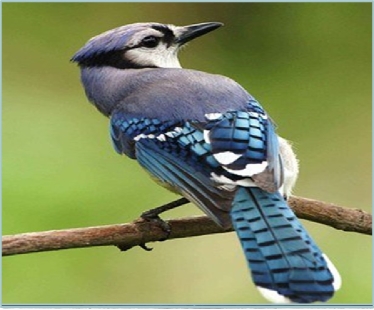
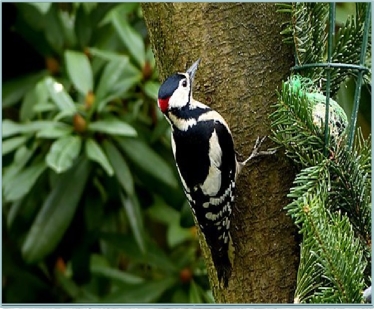
Farmers know the role of birds, Birds control pests, a recent study has shown that birds eat 400 to 500 million insects a year. A gaggle of birds gliding through the air can easily eat many insects every day. Birds are so effective that nest boxes became a pest control practice throughout the world. example: Simulating a pest outbreak by pinning insect larvae to pieces of cardboard and placing them between rows of grapes. The boxes attract insect-eating birds. installing nest boxes substantially reduces insect pest populations without health and environmental costs. These services are valued at the maximum amount as 3 to 4 lakhs per annum per area unit of the forest, potentially translating into crores of rupees in environmental services for free of charge. the simplest samples of insect-eating birds are warblers, bluebirds, and woodpeckers
Birds are Nature's best cleanup crew in action
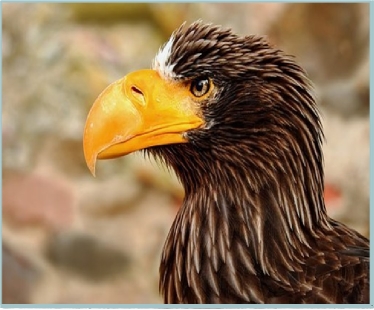
Birds keep us clean and healthy. The sight of vultures circling overhead may look foreboding, but it's both their speed of arrival (typically within an hour of death) their toughness that creates them so valuable that scientists have long valued scavenging birds for their sanitation services, it's pretty recently that we've begun to discover how that translates into human health. Without vultures around, feral dogs have appropriated carcass disposal, massive packs roam India's trash dumps, trying to find piles of dead cattle to eat with this growing canine population comes more fatal dog attacks, allowing deadly diseases such as rabies and tuberculosis to develop and spread. A single vulture provides waste disposal services worth around 5 to 8 lakhs. Not only vultures but ducks also have been implicated in the spread of influenza, the duck is one of the greatest known enemies of the mosquito and therefore providing relief from yellow fever and malaria to an extent.
Birds Pollinate plants
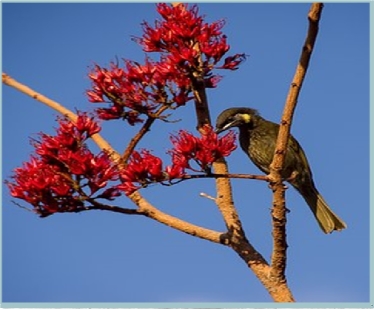
Birds pollinate plants meaning they move the pollen from flower to flower to help fertilize the cells and create new plants. bird's role as pollinators benefits humans directly; around 5 to 10% of the plant's human use for food and medicines are pollinated by birds. Honeyeaters, sunbirds, hummingbirds are some common pollinators.
Birds transform the whole landscape
Habitats like forests, grasslands, and marshes affect people across the entire planet, even those living many miles away. Birds store carbon, keep the climate stable, oxygenate the air and transform pollutants into nutrients. birds maintain the fragile balance between plant and herbivore, predator and prey. example saltmarshes where cordgrass thrives, filtering local water and protecting the coast from sea erosion.
Birds keep coral reefs alive
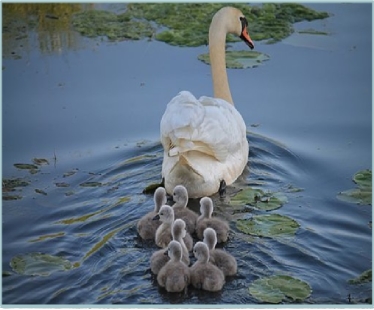
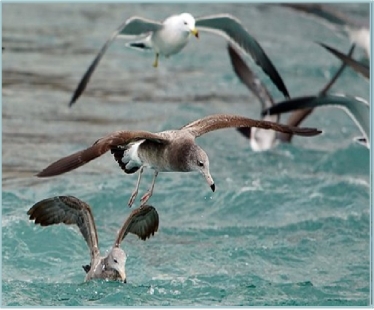
Sea birds help fertilize marine ecosystems such as coral reefs. seabirds travel miles away to feed out in the ocean and when they return they deposit layers of pungent guano (droppings) at their colonies. This seabird dropping is highly pungent and when it reaches into the ocean it fertilizes nearby communities such as coral reefs. When this process has disrupted the fishes grow larger and faster for their age when compared to rat-infested islands.
Birds inspire Invention
Humans have drawn inspiration from birds for Centuries. Some of them are the technology of flight to the invention of zippers modeled the barbules of feathers.
Free Delivery service
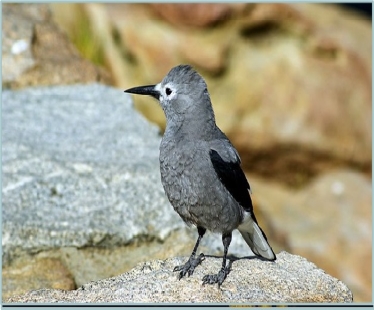
Throughout the world, birds are essential seed dispersers for plants that provide us with food, timber, and medicine. When birds travel, they take the seed they have eaten with them and disperse them through droppings. They assist germination when they eat fruit by removing the pulp and scratching the seed coal. They bring plants back to ecosystems and even carry plants across the sea to new landmasses. The best example of this is one particular bird called Clark's nutcracker (a black and white-winged cousin of the crow) The nutcrackers long, sturdy bill opens the pinecones to pluck out the seeds, which it eats and stores inside its throat, it then buries the uneaten seeds at the depth and location that trees often need to reproduce.
Birds are real warriors
Birds possess skills that historically made them useful to militaries, there is much historical proof that birds like pheasants and pigeons have navigated through shellfish (and past bullets aimed at them) Birds transported messages that have helped in capturing submarines, terrorist attacks, and much more.
Birds are a source of food
Chickens are probably the oldest kind of poultry. chickens have domesticated in Asia at least 3000 years ago, since then farmers have developed other poultry, including geese, ducks, guinea fowl, pheasants, and turkeys. Today, Chicken ranks as the most widely raised poultry by far. Farmers throughout the world produce hundreds of millions of chicken annually for meat and eggs.
Some common benefits of birds on humans
🔸 In agriculture, humans harvest bird droppings to be used as fertilizer. These droppings have a high content of nitrogen, phosphate, and potassium, three nutrients essential for plant growth.
🔸 Chickens are used as an early warning system of human diseases.
🔸 Feathers are used all over the world to stuff pillows, mattresses, coats, sleeping bags, and quilting. Goose feathers are preferred because they are soft. Manufacturers often mix goose feathers with down feathers to supply extra softness.
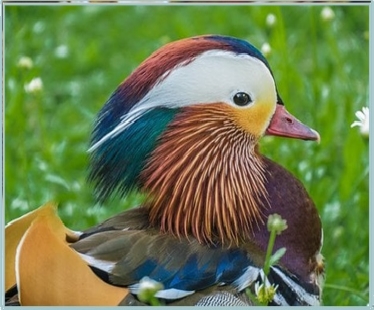
After knowing all the above benefits of birds on us humans will you be ok if birds go extinct? No right. (Remember a movie on birds 2.0, the role played by Akshay Kumar as Pakshi Rajan) is a perfect example that we start taking action with some very simple things we can do to save birds from extinction.
Set up clean drinking water and clean and replace it regularly to avoid the formation of algae. If you want to provide food for birds, make sure that the bird feeders are elevated enough to fend off cats. Use frosted windows instead of transparent glass windows as birds cannot see transparent glasses and often crash against them and die. Plant trees and plants, do organic gardening, reduce greenhouse gas emission, Avoid plastic, Don't speed, Protect existing habitats and lastly enjoy and appreciate nature.